Applications
Efficient operation of vehicles and industrial systems relies on proper maintenance practices and reliable fuel performance. Regular servicing helps ensure that engines and equipment operate smoothly, safely, and efficiently throughout their service life. When supported by quality fuels and fluid solutions, routine maintenance can reduce unexpected downtime, improve performance, and extend equipment lifespan.
In both automotive and industrial environments, operating conditions and environmental exposure can cause gradual wear over time. Consistent maintenance routines and efficient fuel combustion help minimise these effects while maintaining overall system efficiency. As systems become more advanced, the importance of dependable fuel and fluid management continues to grow.
At KKE Supplies Pte Ltd, we provide reliable products that support consistent performance in automotive and industrial applications.

Vehicle Maintenance & Operational Support
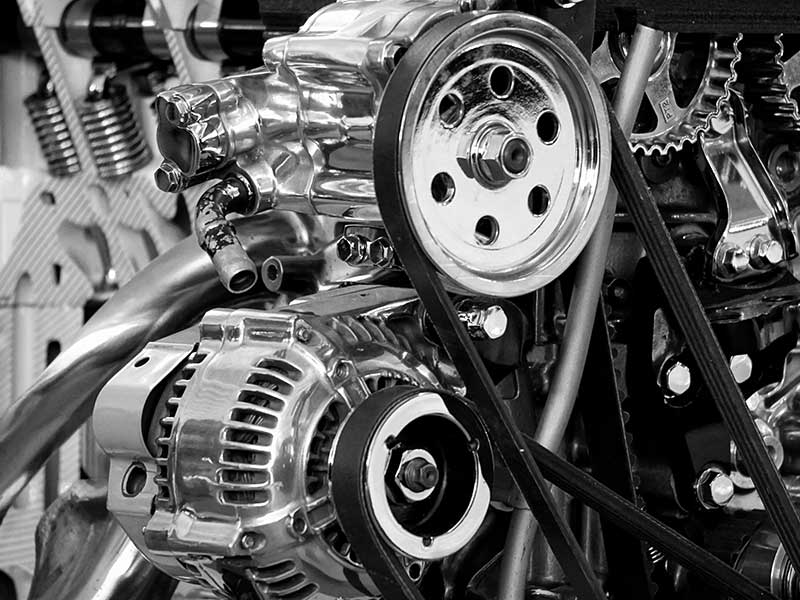
Motor vehicles require regular servicing based on usage duration or mileage to ensure optimal performance throughout their operational lifespan. These servicing intervals are typically scheduled through authorised workshops according to manufacturer specifications. Some vehicles track servicing through physical service records, while others utilise electronic service reminders integrated into on-board systems.
Routine maintenance procedures commonly include engine oil replacement, brake fluid top-up, power steering fluid replenishment, automatic transmission fluid servicing, as well as the application of grease and coolant.
Consistent and timely maintenance helps maintain operational efficiency, minimises unexpected breakdowns, and extends vehicle service life. Environmental exposure can accelerate wear and tear over time, making the use of reliable fuel and fluid solutions an essential part of overall vehicle upkeep.
Fuel Combustion in Engines and Industrial Systems
Efficient oil combustion in engines and industrial systems is achieved through a process known as atomisation. During this process, fuel is dispersed into fine particles to allow thorough mixing with air, ensuring effective and complete combustion. Pressurised air or steam is typically used to atomise the oil before ignition within engines or furnace systems.
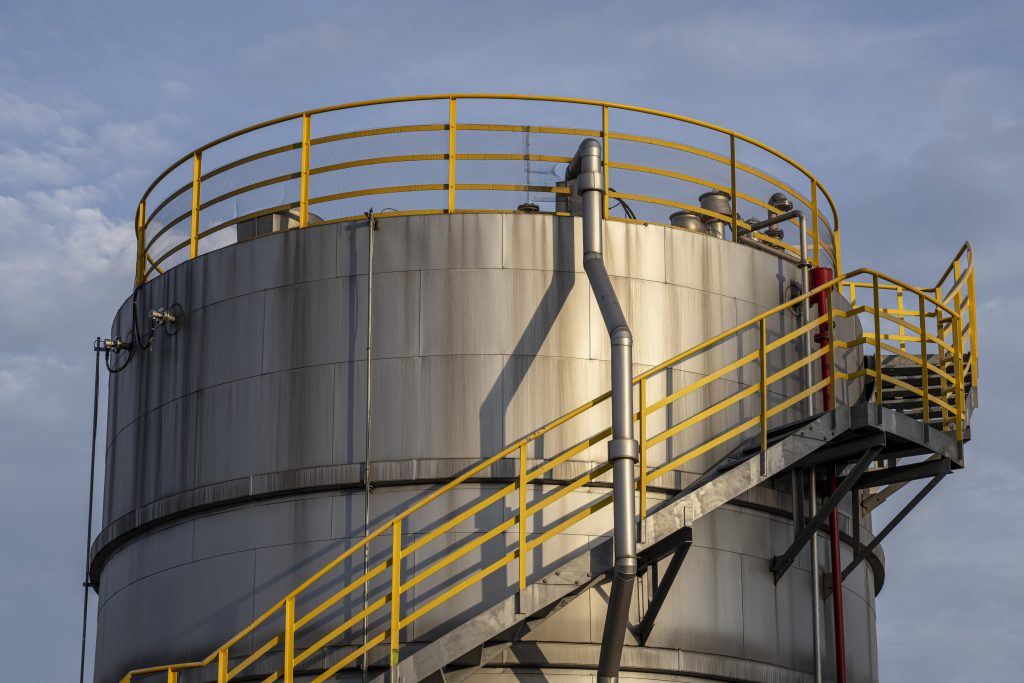
Diesel fuel is widely used in heavy vehicles, construction equipment, industrial machinery, boilers, and furnace operations due to its reliability and energy efficiency.
Historically, fuel injection and air mixing were mechanically controlled. Modern systems now incorporate electronic controls that regulate combustion parameters more precisely. These systems manage variables such as temperature, pressure, sensor feedback, engine speed, and load distribution to optimise performance and efficiency.